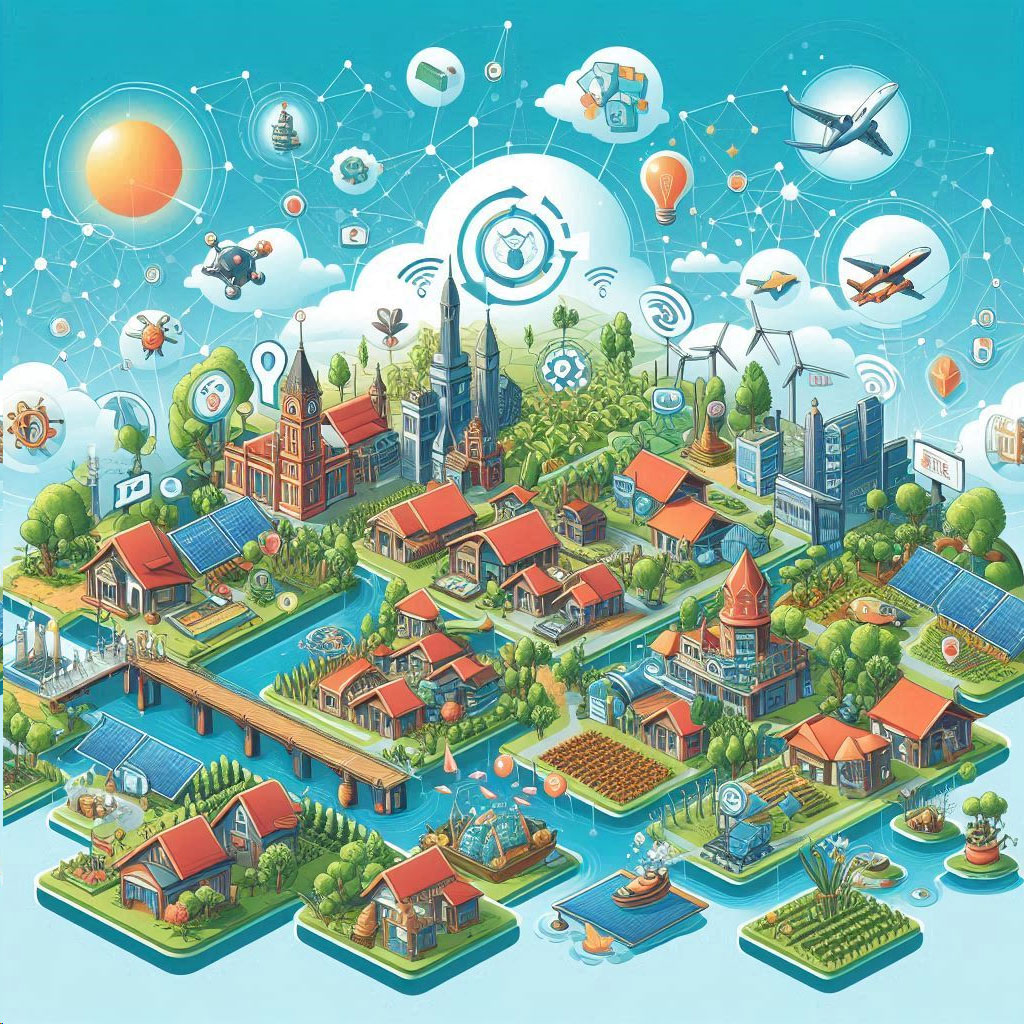
The digitalization era has brought significant changes to various industrial sectors, including those in Bengkulu. As a region with abundant natural resources, agriculture, and tourism potential, Bengkulu has a great opportunity to leverage digital technology to enhance efficiency, productivity, and the competitiveness of its local industries.
Digital Transformation Across Industrial Sectors
Agriculture and Fisheries
Bengkulu has a strong agricultural and fisheries base. With the implementation of technologies such as smart irrigation systems, drones for land monitoring, and digital marketplace applications for crop marketing, these sectors can become more productive and efficient. Digitalization also enables farmers and fishermen to access real-time weather forecasts, market prices, and cultivation techniques.
Tourism and Creative Economy
With its rich natural and cultural tourism potential, Bengkulu’s tourism industry can expand rapidly through digital technology. Online booking platforms, social media marketing, and augmented reality (AR)-based tourism experiences can attract more visitors while providing a more interactive experience. The creative economy, including handicrafts, culinary arts, and performing arts, also benefits from e-commerce and digital marketing strategies.
Green Energy and Sustainable Industry
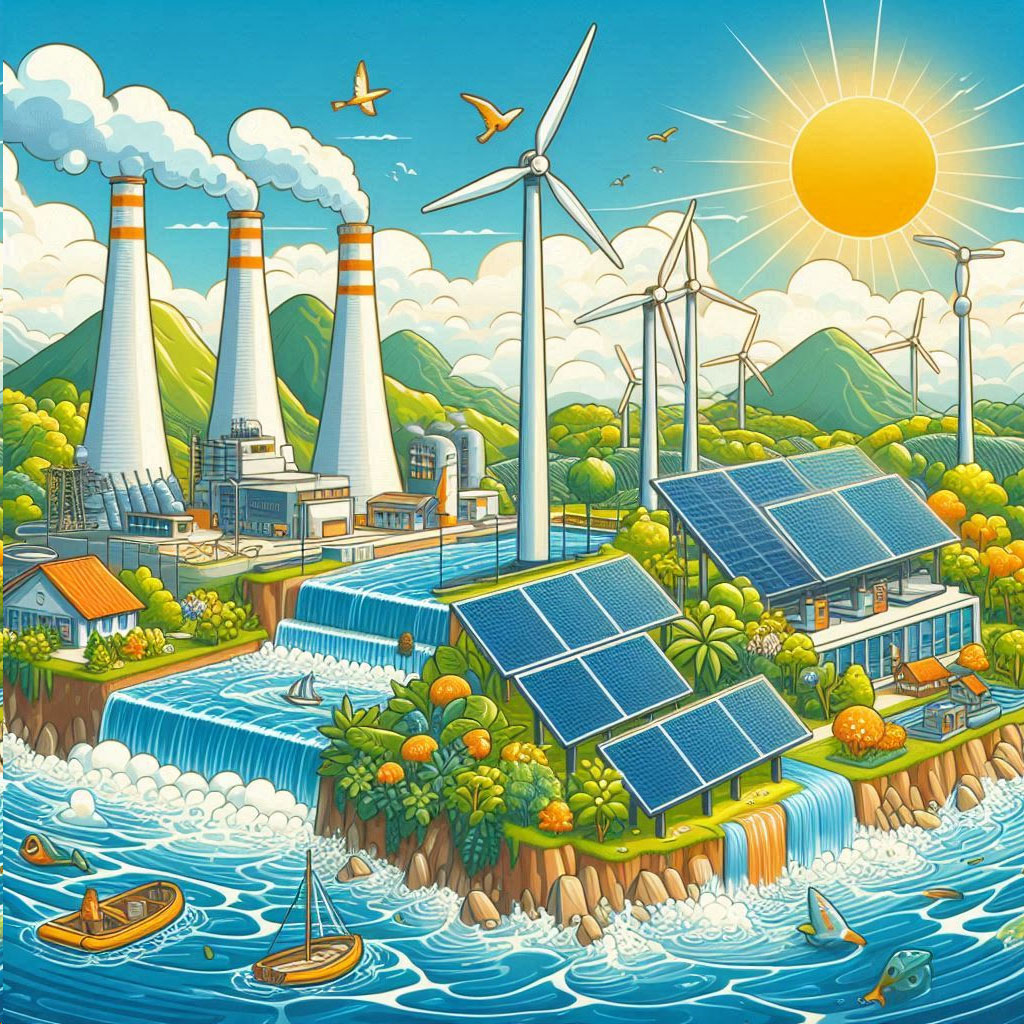
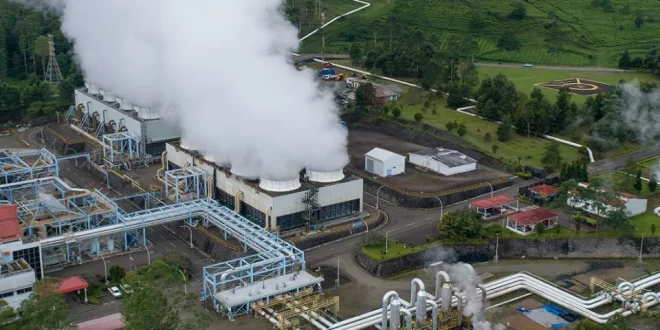
Digitalization also plays a role in the development of Bengkulu’s energy and sustainability industries. The implementation of Internet of Things (IoT)-based energy monitoring systems can optimize resource usage efficiency. Additionally, digitalization supports research and innovation in green technologies, reinforcing environmental sustainability and carbon emission reduction efforts.
Challenges and Opportunities in Bengkulu’s Digitalization
While digitalization offers numerous advantages, several challenges must be addressed, including limited internet access in some areas, the need to improve digital literacy among residents, and the necessity for greater investment in digital infrastructure. However, through collaboration between the government, academia, and industry players, Bengkulu can build a digital ecosystem that supports sustainable industrial growth.
Conclusion
The future of Bengkulu’s industry in the digitalization era is highly promising, provided that technology is utilized optimally and sustainably. By embracing digital adaptation across multiple sectors, Bengkulu can enhance local industry competitiveness, unlock new economic opportunities, and strengthen its position as an innovative and forward-thinking region.