Bengkulu, a province rich in culture, is home to unique and meaningful traditional arts. Two prominent examples are the Dol percussion instrument and the Bimbang Andun traditional dance, both of which serve as cultural symbols for the people of Bengkulu. These art forms are more than just entertainment—they are vital for preserving traditions and fostering a sense of unity.
Dol: The Resonating Sound of Tradition
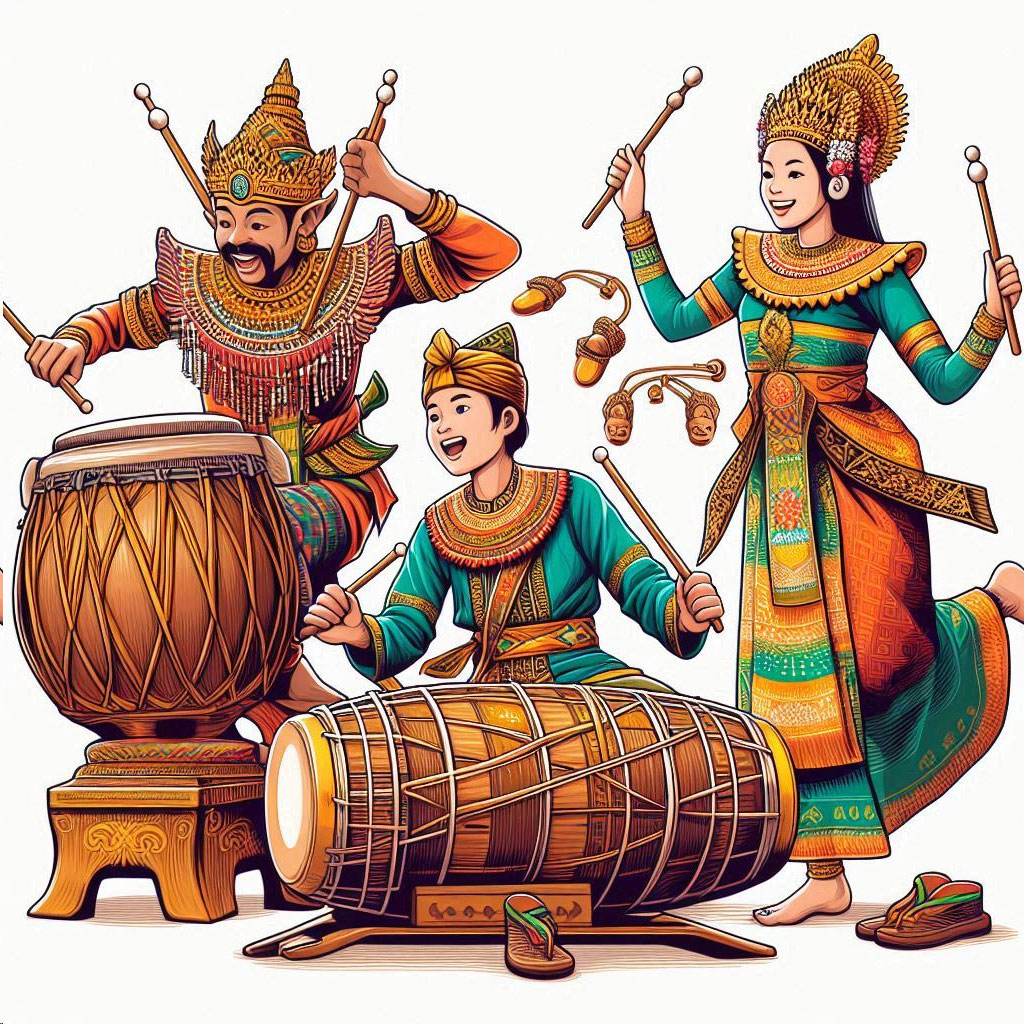
The Dol is a traditional percussion instrument from Bengkulu, crafted from wood and cow or buffalo hide. It is typically played during cultural ceremonies, such as the Tabot Festival, an annual event commemorating the Battle of Karbala. The deep, resonating sounds of the Dol symbolize the spirit and togetherness of the Bengkulu community.
Dol performances are conducted in groups, featuring dynamic and energetic rhythms. This instrument is not only integral to local traditions but has also gained international recognition through various cultural showcases.
Bimbang Andun Dance: A Symbol of Togetherness
The Bimbang Andun dance originates from South Bengkulu and is traditionally performed during special occasions such as weddings and thanksgiving celebrations. It is a way to express gratitude and joy, with pairs of young men and women dancing together to represent harmony and unity within the community.
The movements in Bimbang Andun are simple yet deeply symbolic, reflecting values of cooperation and respect for tradition. Dancers wear traditional Bengkulu attire, including songket fabric and kebaya, enhancing the visual beauty of the performance.
Preserving Traditional Arts
Efforts to preserve Dol and Bimbang Andun include cultural festivals, arts education in schools, and digital promotion via social media. Local governments and cultural communities actively support the continuation of these traditions to ensure they remain relevant to younger generations.
Dol percussion and Bimbang Andun dance are priceless cultural treasures of Bengkulu. They stand not only as cultural heritage but also as symbols of pride for the people of Bengkulu, deserving continued preservation and celebration.