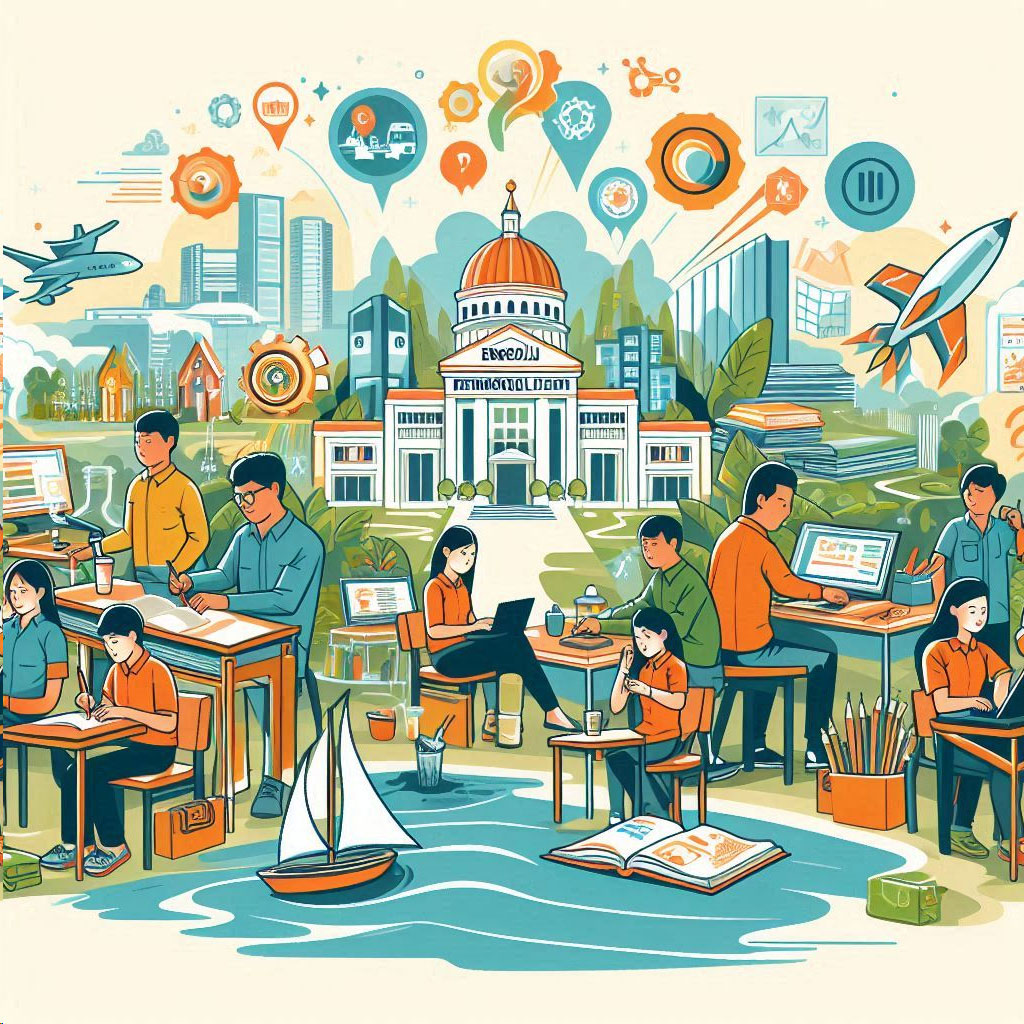
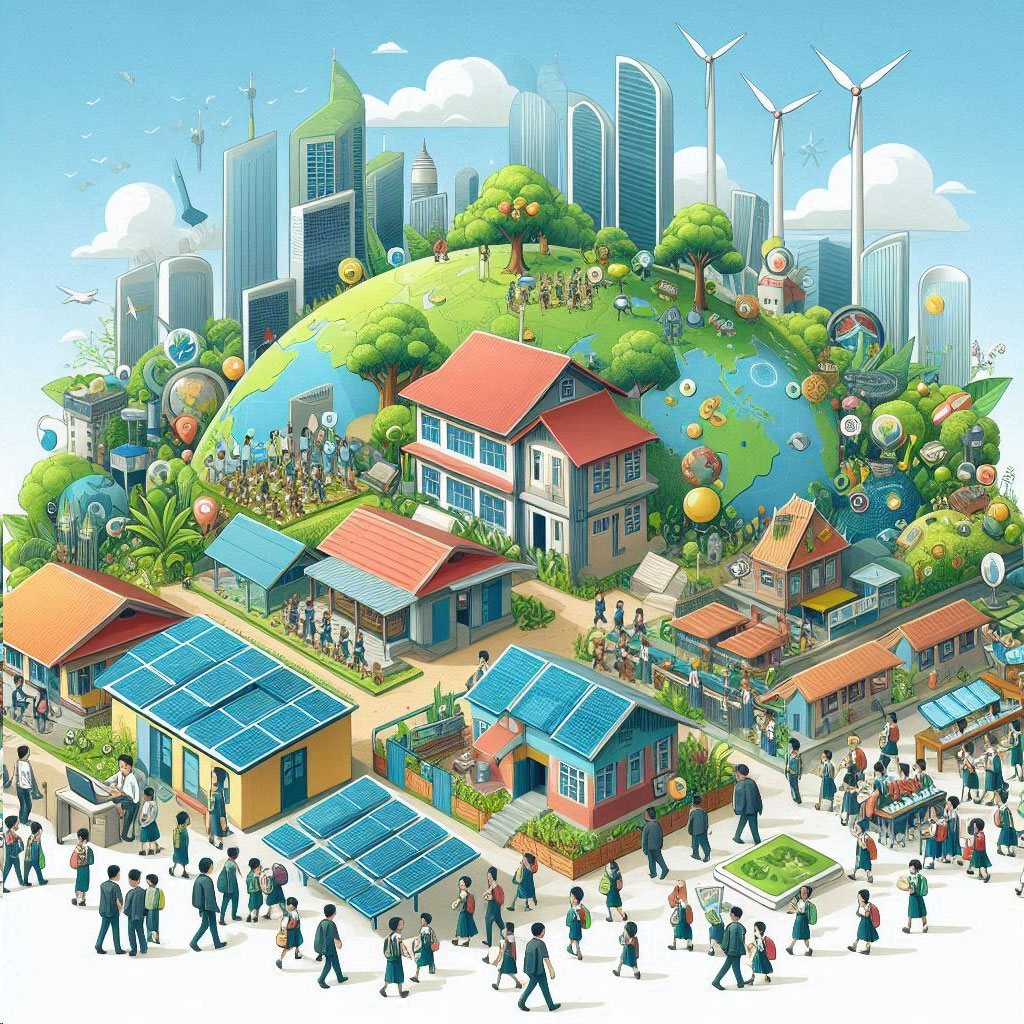
Education is a key factor in shaping high-quality and competitive human resources. Bengkulu, with its vast potential, requires a well-directed educational strategy to prepare individuals for future challenges. Effective education enables Bengkulu’s people to contribute more significantly to regional and national development.
The Importance of Education in Bengkulu’s Human Resource Development
The quality of human resources determines a region’s progress. Good education allows individuals to develop skills, boost creativity, and prepare for global competition. Some key benefits of education for Bengkulu’s workforce include:
- Enhancing Competence and Productivity: Quality education equips Bengkulu’s people with relevant skills applicable across various industries.
- Advancing the Local Economy: Educated individuals have better opportunities to innovate and drive local economic growth through creative entrepreneurship and technology-based industries.
- Reducing Poverty and Unemployment: Proper education increases access to decent jobs, improving overall living standards.
- Cultivating Social Awareness and Leadership: Education not only builds technical skills but also fosters character development and leadership, which are essential for Bengkulu’s social progress.
Strategies for Improving Education Quality in Bengkulu
To enhance human resources, education policies must focus on several key aspects:
Expanding Educational Access
- Ensuring equal access to education in remote areas by developing school infrastructure and providing competent teachers.
- Offering scholarships and financial aid for underprivileged students to ensure learning opportunities for all.
- Strengthening vocational education to prepare graduates with practical skills applicable in the workforce.
Improving Teachers and Curriculum
- Providing training and skill development for educators to deliver inspiring and innovative teaching methods.
- Integrating technology-based and entrepreneurial curricula tailored to job market demands and industry trends.
- Encouraging interactive learning methods, such as project-based education and digital technology utilization.
Collaboration with Industry and Government
- Connecting educational institutions with industries to align learning with workforce demands.
- Promoting internship programs for students to gain firsthand experience in professional settings.
- Establishing training and innovation centers to equip Bengkulu’s residents with competitive new skills.
Encouraging Continuous Learning and Digital Literacy
- Utilizing technology for remote learning, ensuring education access for those in remote areas.
- Promoting digital literacy to enable Bengkulu’s people to leverage technology for productivity and economic growth.
- Providing tech-based skill training, such as coding, graphic design, and digital marketing, to create more job opportunities.
Building Superior Human Resources for Bengkulu’s Future
Investing in education means investing in Bengkulu’s future. With the right policies, Bengkulu’s people can grow into competent, creative, and globally competitive individuals.
Collaboration between the government, industries, and communities in enhancing education quality will propel Bengkulu toward a new era of excellence. Through strong commitment and cooperation, Bengkulu can become a center of education and innovation, contributing to national progress.