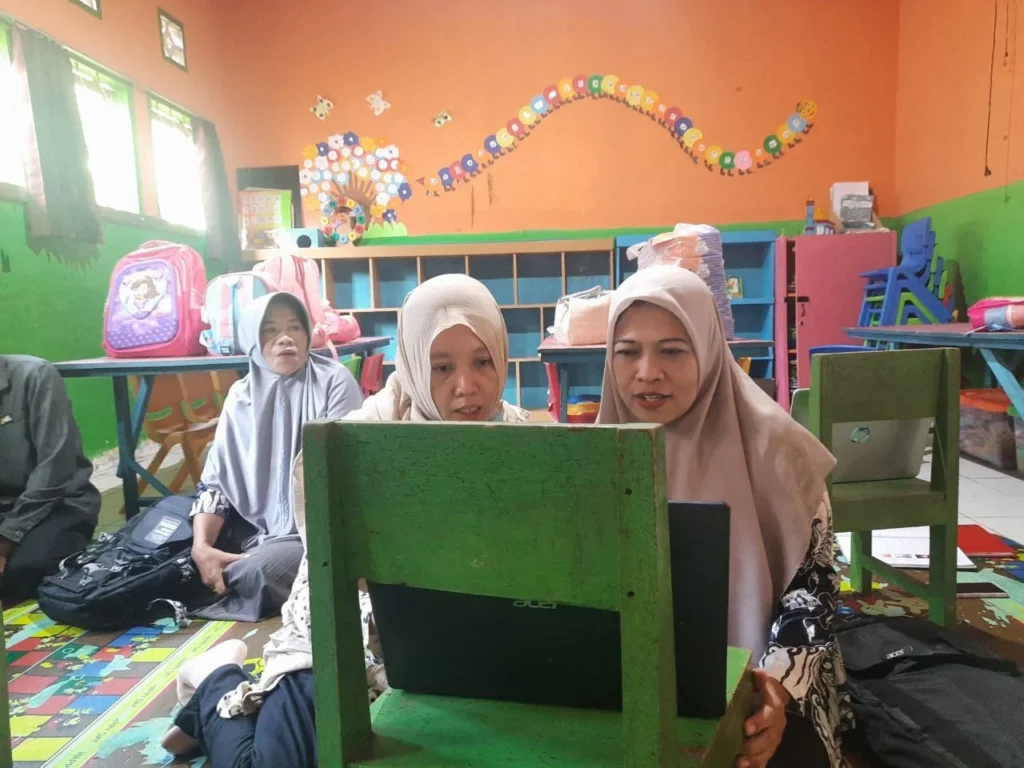
Education is the foundation for shaping high-quality human resources. In Bengkulu, education policies play a strategic role in enhancing competence, competitiveness, and overall societal well-being. Various policies directly impact access to education, teaching quality, and workforce readiness in facing global challenges.
The Importance of Education Policies for Bengkulu’s Workforce
Education policies act as catalysts for establishing an effective learning ecosystem. With well-directed policies, Bengkulu can cultivate a highly competitive and skilled generation across diverse fields.
Key focus areas in Bengkulu’s education policies include:
- Expanding Education Access: Ensuring equal opportunities for students in remote areas, scholarship programs for underprivileged communities, and strengthening infrastructure through school development and supporting facilities.
- Improving Teaching Quality and Curriculum: Developing skill-based curricula aligned with industry needs, providing teacher training to promote interactive and innovative learning, and integrating technology for efficient education delivery.
- Connecting Education with the Workforce: Establishing partnerships between schools, universities, and industries to equip graduates with relevant skills, offering internship and job training programs, and strengthening vocational and entrepreneurship education for greater independence and competitiveness.
The Impact of Education Policies on Bengkulu’s Human Resources
Effective policy implementation can lead to several key improvements:
- Enhanced Competence and Competitiveness: Bengkulu’s workforce will be better prepared for global competition with industry-relevant skills.
- Driving Innovation and Productivity: Well-educated individuals can generate new innovations that contribute to the region’s economic development.
- Reducing Unemployment: A skill-oriented education system ensures graduates have better job opportunities, minimizing employment challenges.
Building a Strong Future for Bengkulu
Quality education is key to Bengkulu’s development in the modern era. With policies focused on accessibility, quality, and relevance, Bengkulu has the opportunity to shape a skilled workforce ready for future challenges.
Collaboration between the government, communities, and industries will strengthen a sustainable education ecosystem. With strong commitment and cooperation, Bengkulu can emerge as an educational center producing high-quality individuals capable of driving the region’s progress.