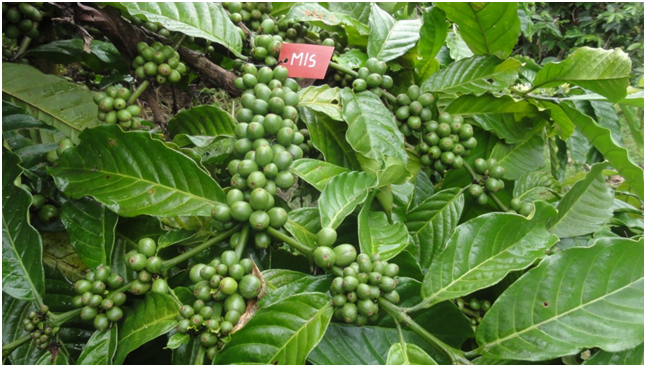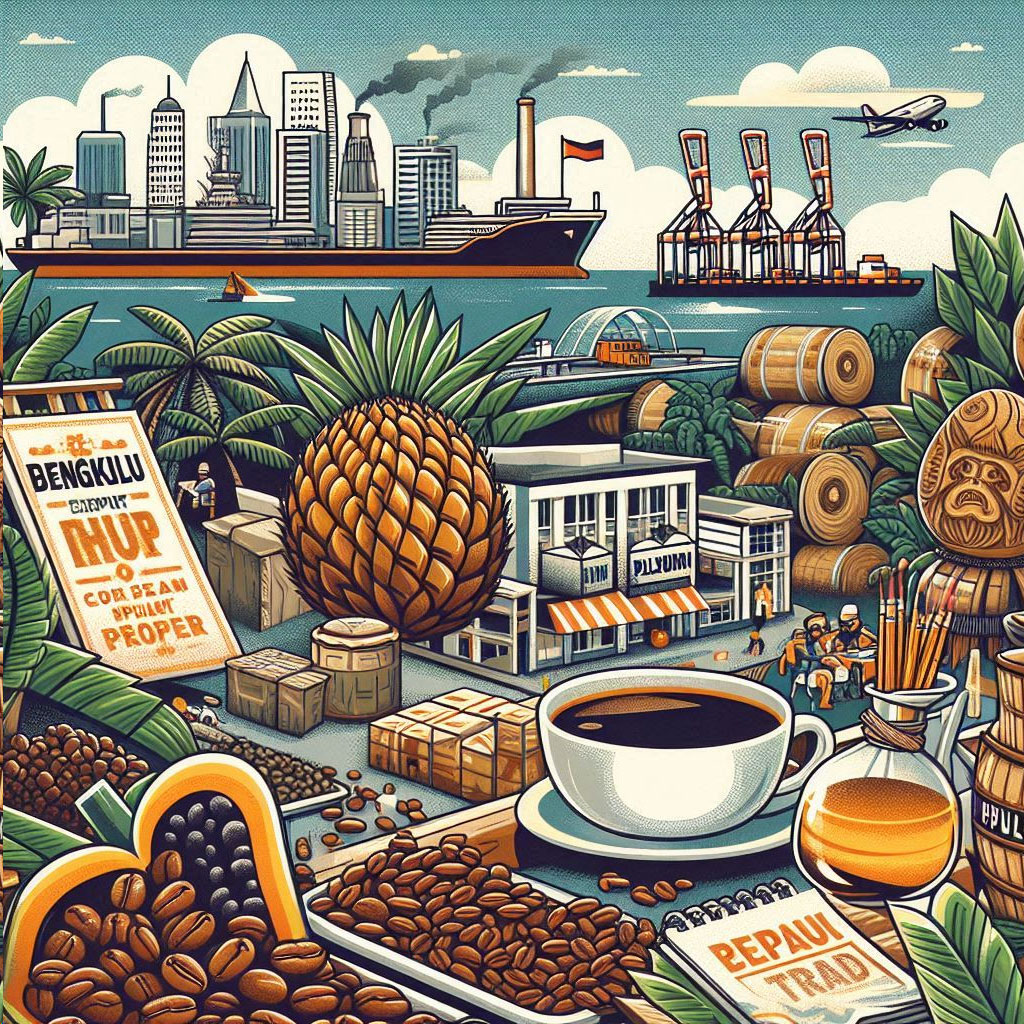
Agriculture in Bengkulu has undergone various changes in line with technological advancements. Agricultural modernization has become key to increasing productivity, efficiency, and farmers’ welfare. Through the application of technology, the agricultural sector in Bengkulu is not only able to meet local needs but also compete in national and international markets.
Technology in Agricultural Cultivation
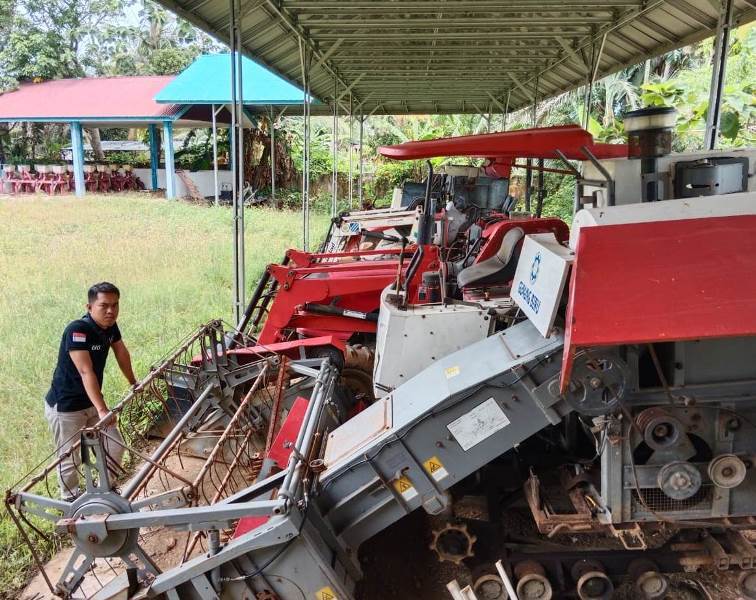
One of the crucial aspects of agricultural modernization is the application of technology in crop cultivation. The use of modern agricultural tools such as tractors, land-monitoring drones, and automated irrigation systems has helped farmers improve yields. These technologies allow farmers to manage land more efficiently, reduce reliance on manual labor, and enhance the quality of agricultural produce.
Additionally, precision farming methods are increasingly being adopted in Bengkulu. With the help of soil and weather sensors, farmers can determine the optimal planting time and regulate the use of fertilizers and pesticides more accurately. This not only boosts productivity but also minimizes negative environmental impacts.
Digitalization and Access to Information
Digital technology also plays a significant role in the modernization of agriculture in Bengkulu. Internet-based agricultural applications enable farmers to access up-to-date information on market prices, cultivation techniques, and weather forecasts. With digital platforms, farmers can communicate directly with buyers, reducing dependence on middlemen and increasing their profits.
Moreover, government programs such as the Bengkulu Agricultural Technology Assessment Institute (BPTP) have contributed to the dissemination of agricultural technological innovations. Through various training sessions and research, farmers gain access to the latest farming methods that can improve their yields.
Challenges and Solutions
Despite the many benefits that technology brings, challenges remain in its implementation. One of the primary obstacles is the high investment cost for modern agricultural tools and systems. Many small-scale farmers still struggle to access these technologies due to financial limitations.
To address these challenges, the government and private sector need to collaborate in providing subsidies and assistance programs for farmers. Additionally, continuous education about the benefits of agricultural technology should be conducted to better prepare farmers for adopting new innovations.
Conclusion
The modernization of agriculture in Bengkulu through technology has brought significant changes in enhancing productivity and farmers’ welfare. By implementing modern agricultural tools, digitalization, and precision farming methods, the agricultural sector in Bengkulu is becoming more prepared to face future challenges. Support from various stakeholders will be crucial in ensuring that technology remains accessible to all farmers, allowing Bengkulu’s agriculture to continue developing sustainably.
You can read more about agricultural modernization through the following sources:
- Bengkulu Agricultural Technology Assessment Institute (BPTP)
- Agricultural Modernization in the Era of Technology 4.0
- The Role of Technological Innovation in Agricultural Economic Efficiency