Exploring Coastal Economic Potential: The Bengkulu Sea as a Source of Livelihood
Bengkulu, with a 525-kilometer coastline bordering the Indian Ocean, holds vast coastal economic potential. The Bengkulu Sea is not only a vital source of life for coastal communities but also offers economic opportunities that can support sustainable regional development.
The Riches of the Bengkulu Sea
The waters of Bengkulu are rich in pelagic and demersal fish resources, such as tuna, skipjack, mackerel, and scad. Additionally, seafood products like shrimp, squid, and lobster have high economic value, both for local markets and export. Non-fish marine resources—such as seaweed and coral reef biota—also show great promise, although they remain underutilized.
Traditional Fishermen: Pillars of the Coastal Economy
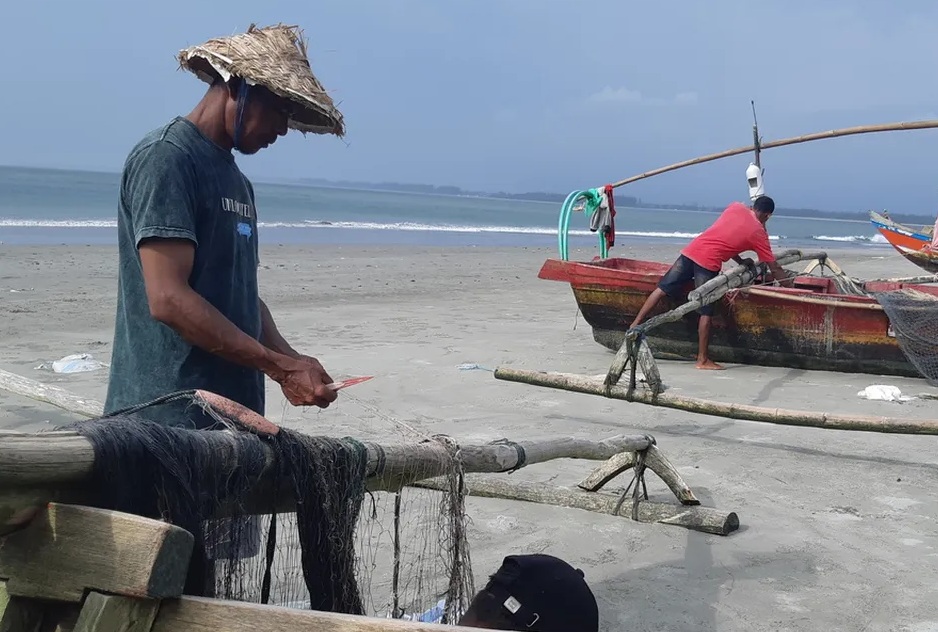
Traditional fishermen in Bengkulu play a crucial role in harnessing the sea’s bounty. However, they continue to face challenges such as limited fishing gear and technology. With proper support through training and modernization of fishing equipment, their productivity can be significantly improved.
Marine Aquaculture: The Future of the Coastal Economy
Marine aquaculture offers a promising path for maximizing Bengkulu’s maritime potential. Cultivation of lobsters, seaweed, and grouper fish are just a few examples that can be further developed. The districts of Seluma and Kaur hold great potential to become sustainable marine aquaculture centers.
Infrastructure and Marine Tourism
Developing infrastructure such as harbors and fish markets is key to supporting the marine sector. Pulau Baai Port, for instance, has the potential to become a hub for seafood distribution and export. Additionally, marine tourism—such as snorkeling, diving, and coral reef conservation—can serve as a complementary attraction that boosts the local economy.
Challenges and Solutions
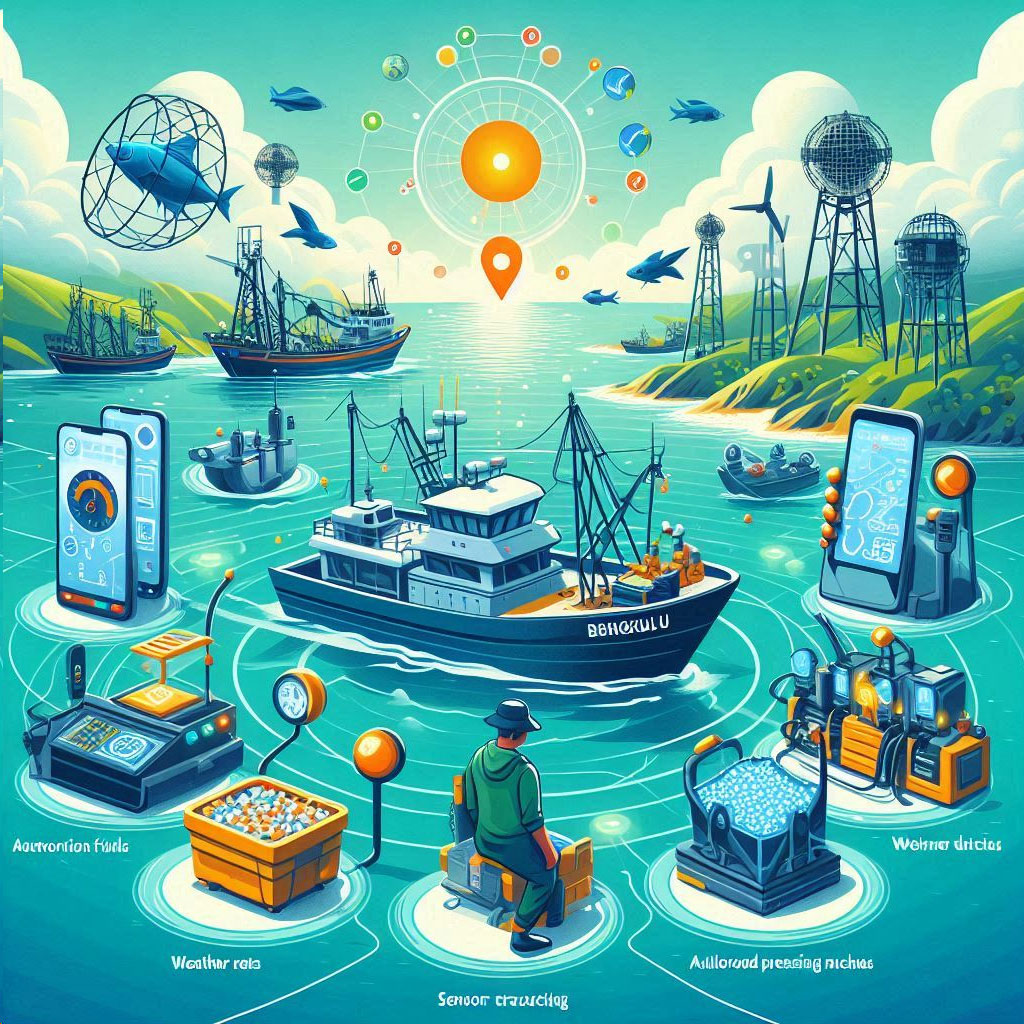
Despite its great potential, Bengkulu’s marine sector still faces challenges such as climate change, high waves, and limited technology. Addressing these issues requires synergy between government, communities, and businesses. Fishermen training, technological development, and promotion of marine tourism are strategic steps that can be taken.
Bengkulu holds significant promise to become an advanced and sustainable coastal economic center. With proper management, the potential of the Bengkulu Sea can bring long-term benefits to both the people and the environment.