Bengkulu: A Province Rich in History and Culture
Bengkulu, one of Indonesia’s provinces, holds a wealth of historical and cultural significance, with fascinating stories spanning from the colonial era to the present day. Its captivating natural beauty and crucial role in national history make Bengkulu a region worthy of greater attention.
The Colonial Era: Bengkulu’s Introduction to the World
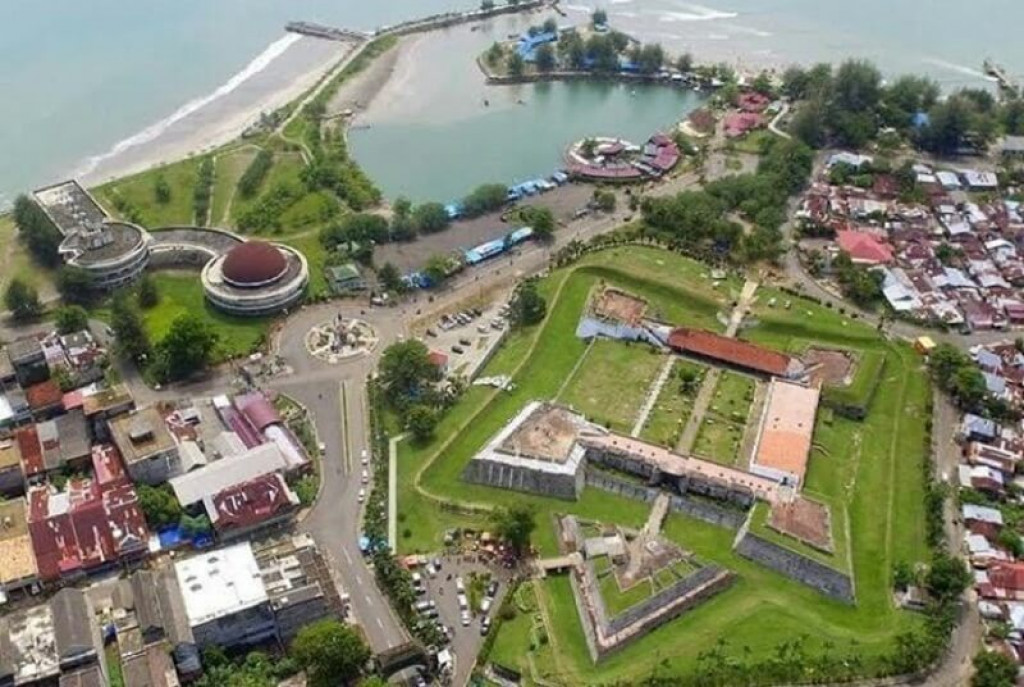
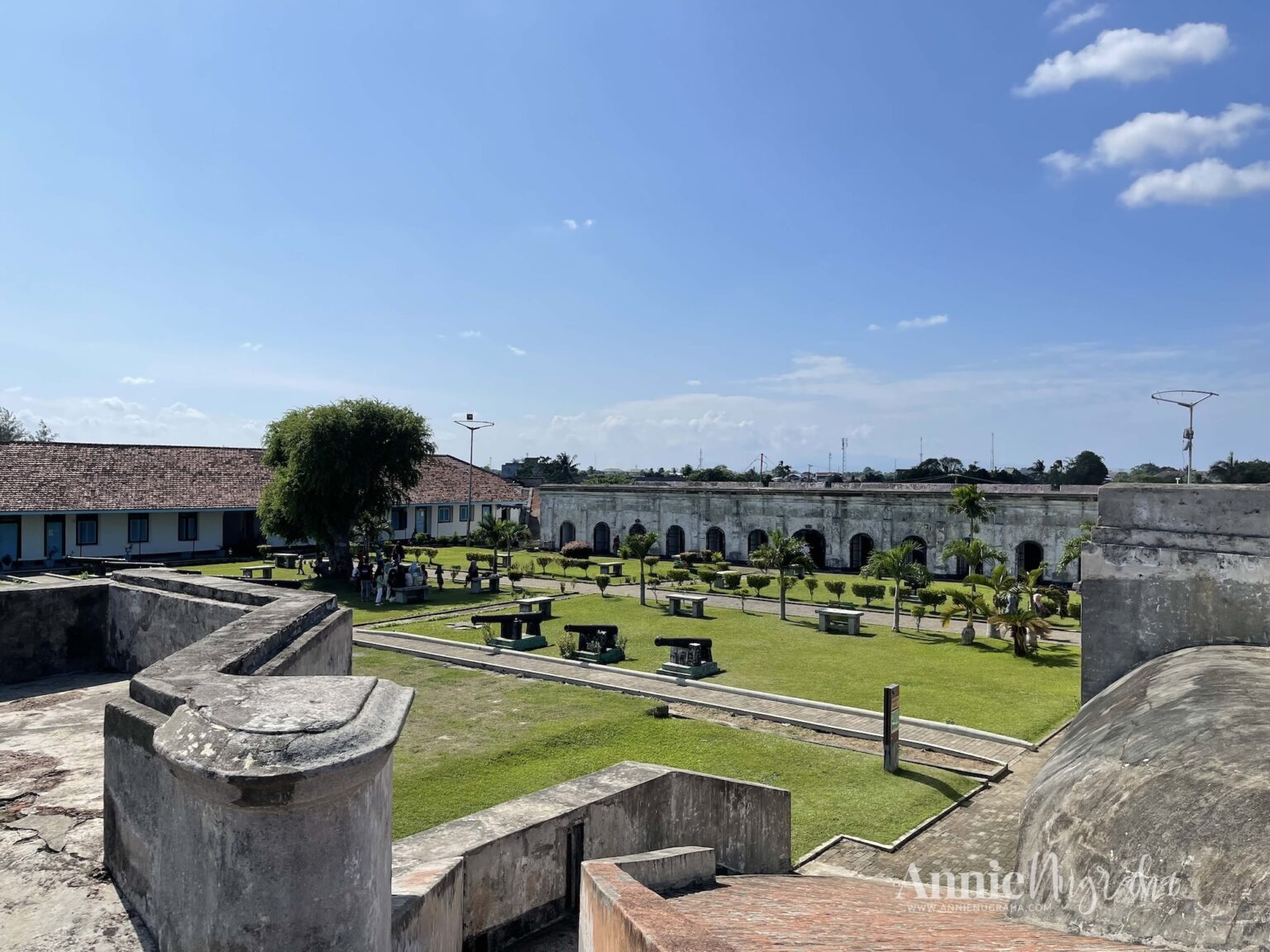
During colonial times, Bengkulu drew significant interest due to its valuable commodities, particularly pepper. In the early 18th century, Bengkulu became part of the territory managed by the British East India Company. In 1685, the British established Fort Marlborough in Bengkulu, which remains one of the largest historical landmarks in Southeast Asia.
However, British rule in Bengkulu did not last indefinitely. In 1824, the Treaty of London was signed, transferring Bengkulu to Dutch colonial rule. This period marked a pivotal moment in Bengkulu’s history, as it brought significant social, economic, and infrastructural changes to the region.
Bengkulu’s Role in Indonesia’s Struggle for Independence
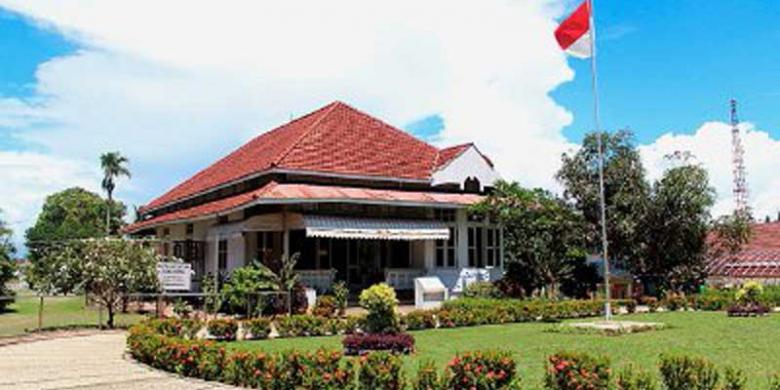
Bengkulu was not only a witness to colonialism but also played a significant role in Indonesia’s fight for independence. One of the key historical figures closely associated with Bengkulu is Bung Karno, Indonesia’s first president. He was exiled by the Dutch to Bengkulu from 1938 to 1942. During his exile, he developed a relationship with Fatmawati, who later became Indonesia’s first First Lady.
Bung Karno’s exile house became a gathering place for nationalist ideas and the independence movement. To this day, the site remains a symbol of struggle and the nation’s awakening.
Modern Era: Bengkulu’s Potential and Progress
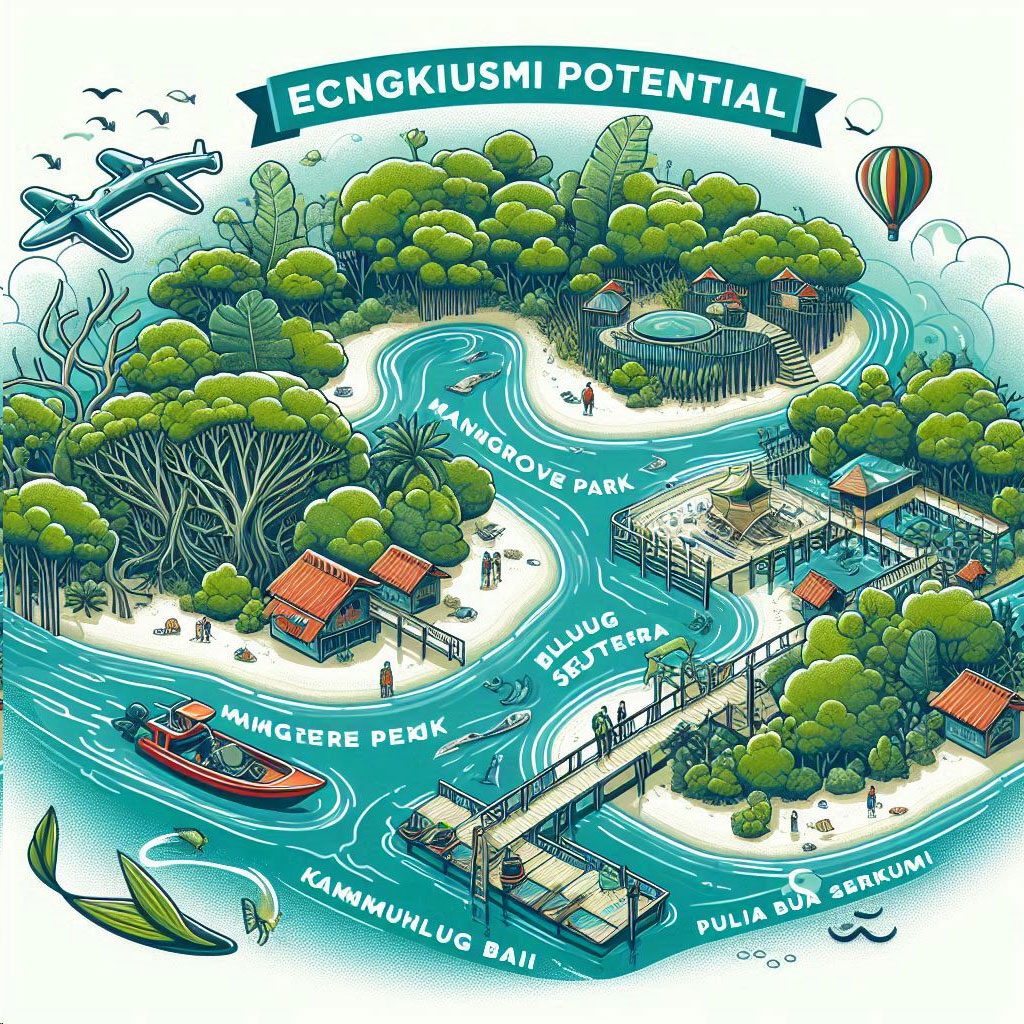
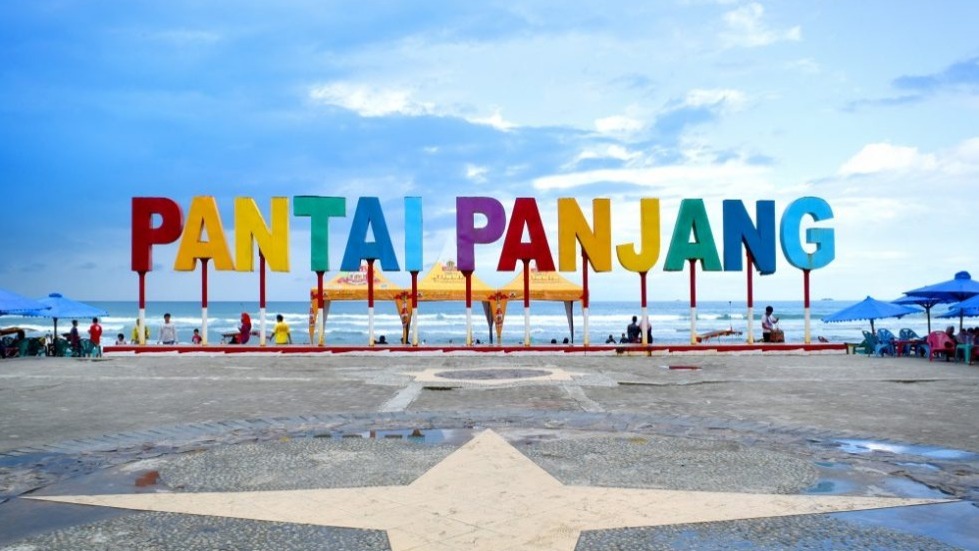
In the modern era, Bengkulu has grown into an increasingly recognized tourist destination. Its natural beauty, including Pantai Panjang and the rare Rafflesia Arnoldii flower habitat, continues to attract visitors from both domestic and international markets.
Beyond Tourism: Bengkulu’s Promising Economic Opportunities
In addition to tourism, Bengkulu offers thriving economic prospects. Key commodities such as coffee, cloves, and seafood contribute to exports that support the livelihoods of local communities. The annual Tabot Festival highlights the province’s rich cultural heritage, ensuring that traditions are preserved for future generations.
The Bengkulu regional government is actively working on digitalization efforts to introduce the province’s potential to the global market. Various promotion programs and infrastructure development initiatives are being implemented to position Bengkulu competitively on the international stage.
Bengkulu is not only a land of historical significance but also a region filled with hope for the future. With a harmonious blend of natural beauty, cultural wealth, and economic opportunity, Bengkulu holds immense potential to continue evolving into one of Indonesia’s leading provinces.