Bengkulu’s Marine Potential: From Traditional Fishermen to Modern Aquaculture
Bengkulu, with its 525-kilometer coastline facing the Indian Ocean, possesses extraordinary marine potential. Its rich waters serve as a vital asset for the regional economy, offering significant opportunities to enhance the well-being of coastal communities.
Bengkulu’s Marine Wealth
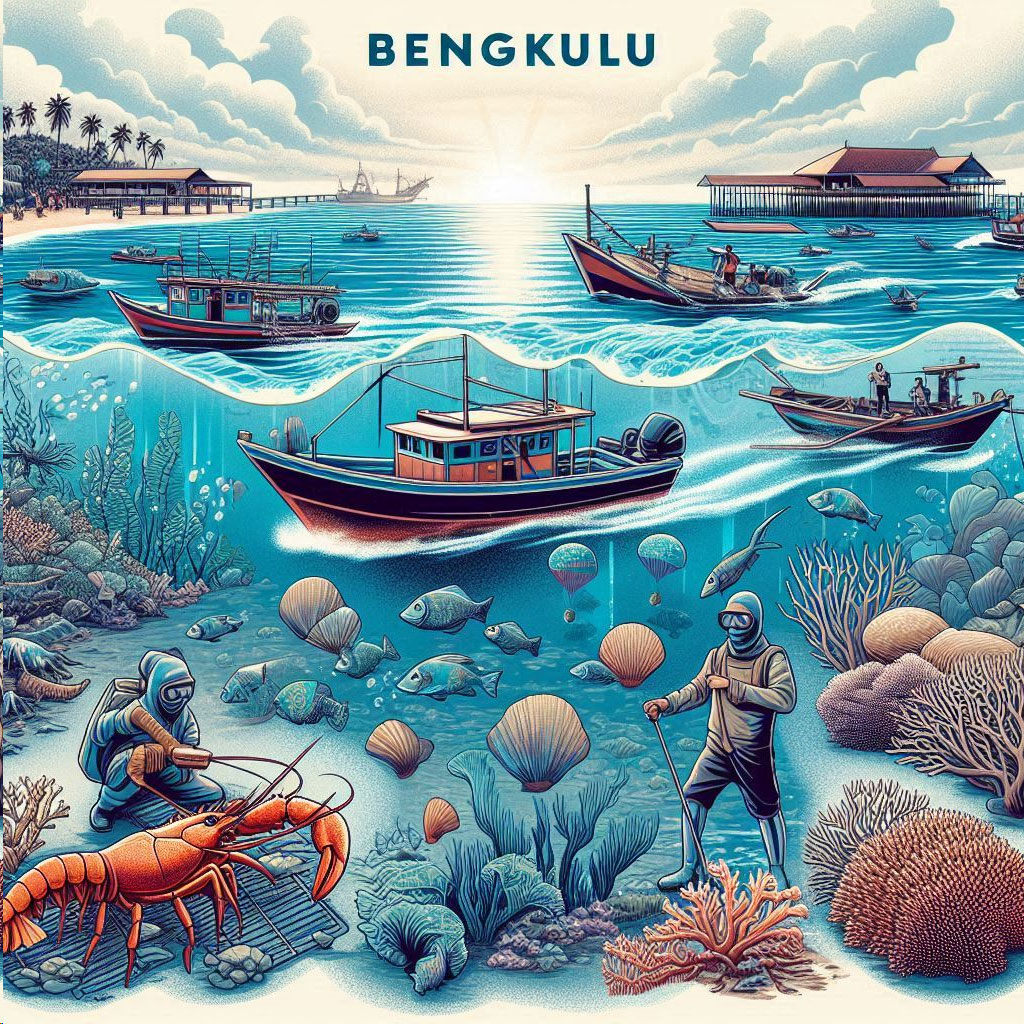
Bengkulu’s seas are home to a diverse range of pelagic and demersal fish, including tuna, skipjack, mackerel, and bonito. Additionally, seafood such as shrimp, squid, and lobster is abundant, making them key commodities for both local consumption and export. Furthermore, non-fish marine resources such as seaweed and coral biota hold promising potential, though they have yet to be fully utilized.
Traditional Fishermen: Pillars of the Coastal Economy
Traditional fishermen in Bengkulu play a crucial role in harnessing the region’s marine resources. However, they still face numerous challenges, including limited fishing gear and outdated technology. Many fishermen rely on small boats and traditional fishing methods, which restrict their catch volumes. Providing training and modernizing fishing equipment could significantly boost their productivity.
Modern Aquaculture: The Future of Bengkulu’s Marine Sector
Marine aquaculture presents a viable solution to maximize Bengkulu’s marine potential. Lobster, seaweed, and grouper farming are among the sectors that can be further developed. Districts such as Seluma and Kaur hold great potential to become centers for lobster and seaweed cultivation. With a sustainable approach, modern aquaculture can not only increase production but also preserve marine ecosystems.
Infrastructure Development and Marine Tourism
Improving infrastructure, such as ports and fish markets, is essential to support the marine sector. Pulau Baai Port, for instance, has the potential to become a distribution hub for seafood and facilitate exports. Additionally, marine tourism activities, including snorkeling, diving, and coral conservation, can serve as added attractions that contribute to the local economy.
Challenges and Solutions
Despite its vast potential, Bengkulu’s marine sector faces challenges such as climate change, high waves, and limited technology. Overcoming these obstacles requires collaboration between the government, communities, and business stakeholders. Strategic steps such as fisher training, technological development, and marine tourism promotion can help address these issues effectively.
Conclusion
Bengkulu has a significant opportunity to establish itself as a thriving and sustainable marine center. With proper management, its marine resources can provide long-term benefits for both local communities and the environment.
Sources:
- Pedoman Bengkulu
- Bakamla Bengkulu