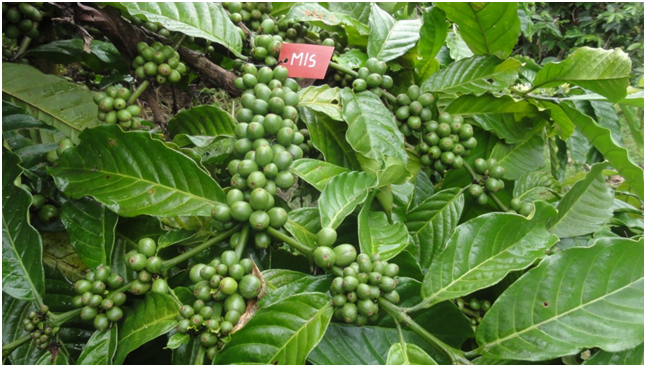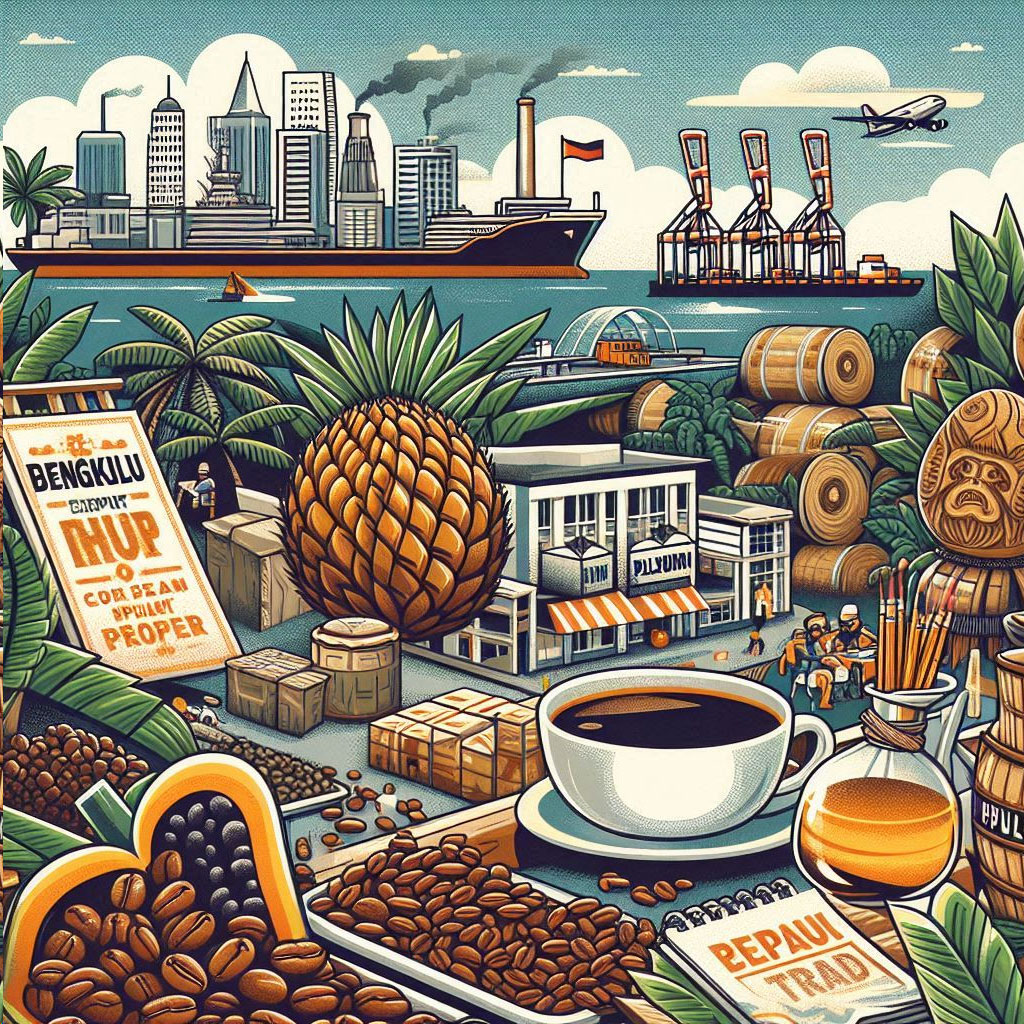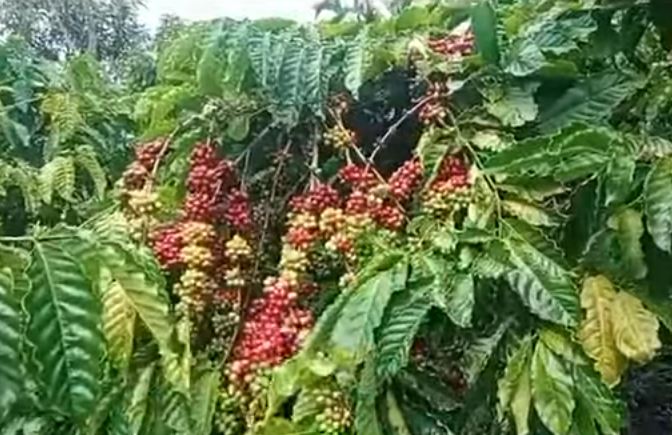
Bengkulu, as one of Indonesia’s coffee-producing regions, has great potential to compete in the global market. Bengkulu’s robusta coffee is known for its distinctive flavor, which is shaped by the region’s favorable geographical and climatic conditions. However, to enhance competitiveness in international markets, several challenges must be addressed, ranging from quality improvement to more effective marketing strategies.
Opportunities for Bengkulu Coffee in the Global Market
Global coffee consumption continues to rise, particularly in countries such as the United States, Germany, and Japan. Specialty and organic coffee are increasingly in demand, opening opportunities for Bengkulu coffee to enter the premium market segment. The Bengkulu Coffee Festival, held in 2025, serves as a strategic step in introducing local coffee to international markets.
Additionally, Bengkulu coffee has an advantage in terms of sustainability. Through the adoption of environmentally friendly farming practices, coffee from this region can meet the increasingly stringent international standards related to sustainability and ethical production.
Challenges Faced
Despite its great potential, Bengkulu coffee still faces several challenges. One of them is the fluctuation of coffee prices in the global market, which can impact farmers’ livelihoods. Additionally, climate change poses a serious threat to coffee production, affecting both the quality and quantity of harvests.
Furthermore, competition with coffee from other regions, such as Gayo, Toraja, and Mandailing, presents another challenge. These coffees are already well-known in international markets and have strong branding. Therefore, Bengkulu coffee needs to strengthen its identity and enhance marketing strategies to compete globally.
Development Strategies
To overcome these challenges, several strategic steps can be taken:
- Quality Improvement – Coffee farmers need training in cultivation and post-harvest techniques to further enhance Bengkulu coffee’s quality.
- Product Diversification – Developing specialty and organic coffee variants to attract premium markets.
- Brand Strengthening – Building Bengkulu coffee’s identity through storytelling about the production process and its unique flavor profile.
- Market Expansion – Utilizing digital platforms and e-commerce to broaden Bengkulu coffee’s market reach.
- Industry Collaboration – Partnering with baristas, cafés, and exporters to increase Bengkulu coffee’s exposure in international markets.
Conclusion
The future of Bengkulu coffee in the global market is highly promising, with great opportunities to grow as one of Indonesia’s leading commodities. However, challenges such as price fluctuations, climate change, and competition from other regions must be addressed with the right strategies. Through quality improvement, brand strengthening, and market expansion, Bengkulu coffee can become a globally recognized commodity.