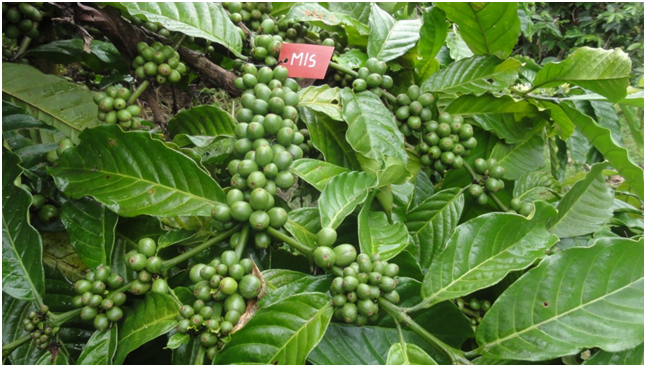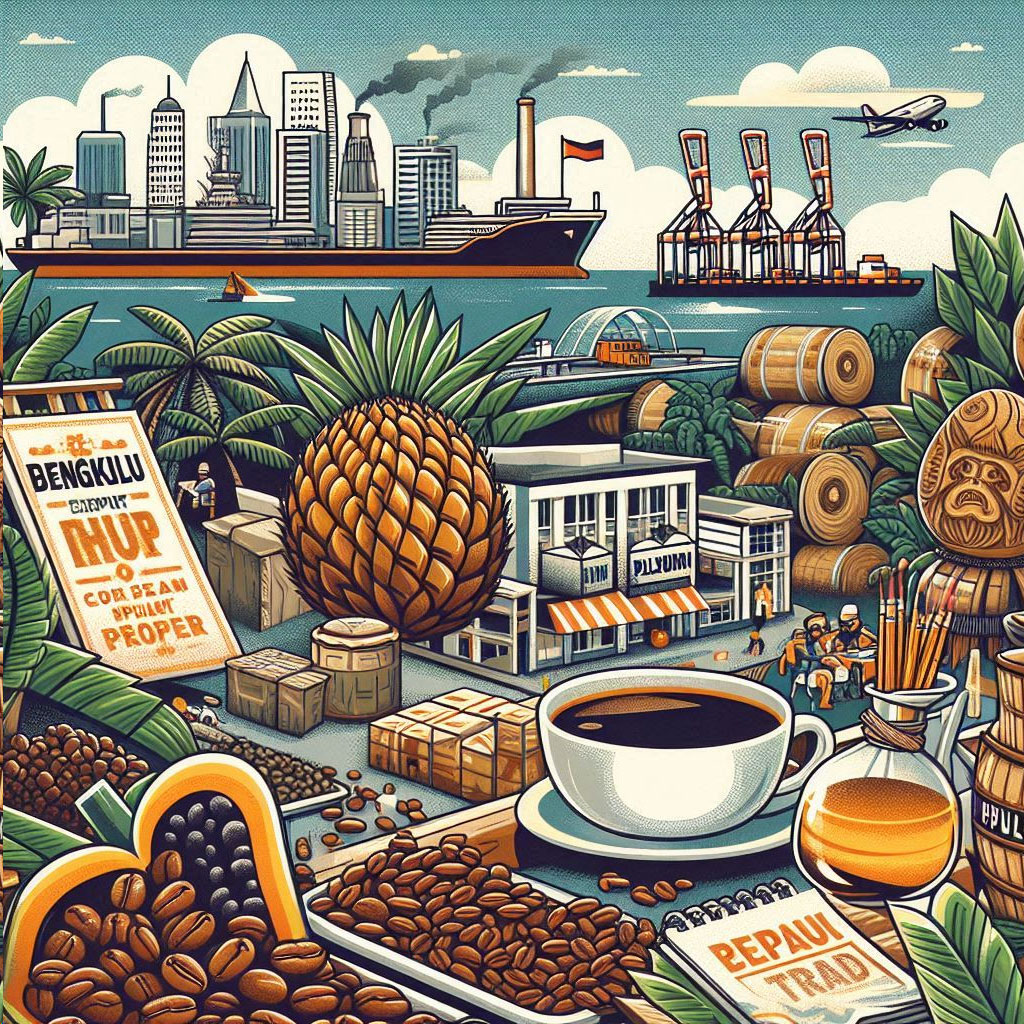
Rejang Lebong, a regency in Bengkulu Province, has long been recognized as one of Indonesia’s leading coffee-producing regions. With its favorable geographical conditions, this area provides an ideal environment for cultivating high-quality robusta coffee. Coffee from Rejang Lebong is not only a primary commodity for local communities but also holds strong appeal in national and international markets.
History and Cultivation of Coffee in Rejang Lebong
Coffee cultivation in Rejang Lebong dates back to the Dutch colonial era. Coffee plants thrive in the hilly terrain at elevations between 800 and 1,200 meters above sea level. Fertile soil and a cool climate give robusta coffee from this region its distinctive strong and rich flavor.
Farmers in Rejang Lebong use traditional farming methods passed down through generations. They grow coffee under the shade of tropical forest trees, creating an ecosystem that supports biodiversity. This system not only maintains the quality of coffee beans but also contributes to environmental conservation.
Coffee Production and Economy
Rejang Lebong Regency has over 30,000 hectares of community coffee plantations, producing approximately 18,600 tons annually. Robusta coffee from this region is a major commodity that sustains the local economy. Many farmers depend on this sector for their livelihoods, whether through cultivation or coffee processing.
Beyond being a source of income for farmers, Rejang Lebong coffee is also part of the creative economy. Many small and medium-sized enterprises process coffee beans into consumer-ready products, such as ground coffee and premium packaged coffee. These products are marketed across various regions, even reaching international markets.
Challenges and Opportunities
Despite its vast potential, the coffee industry in Rejang Lebong faces several challenges. One key issue is lower productivity compared to other regions, due to aging coffee plants and limited adoption of modern farming techniques. Additionally, the selling price of coffee at the farmer level remains relatively low, making it necessary to develop more effective marketing strategies to increase the value of local coffee products.
However, opportunities for developing the coffee industry in Rejang Lebong remain promising. With the rising trend of coffee consumption in Indonesia and globally, robusta coffee from this region has great potential to become a flagship product. Support from the government and stakeholders in areas such as training, technology, and market access can help farmers improve the quality and competitiveness of their coffee.
Conclusion
Rejang Lebong is one of Bengkulu’s premier coffee-producing regions, with a rich history of robusta coffee cultivation. With its favorable natural conditions and farmers’ expertise passed down through generations, coffee from this area has a distinctive flavor that attracts coffee enthusiasts. Despite challenges in productivity and marketing, there are significant opportunities for further developing the coffee industry. With the right strategies, Rejang Lebong coffee can continue to grow and become a source of pride for Bengkulu in the global market.