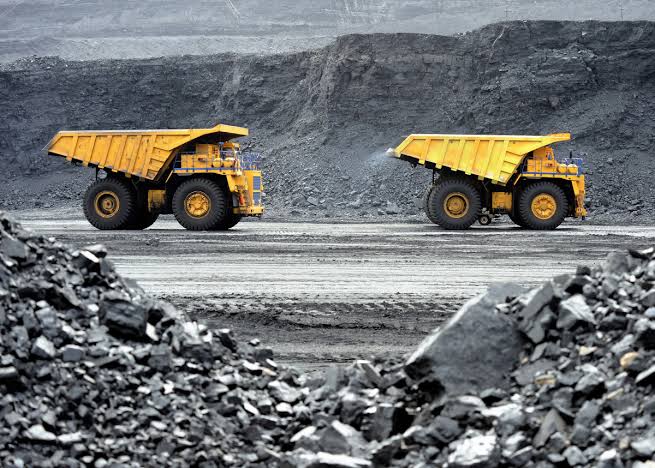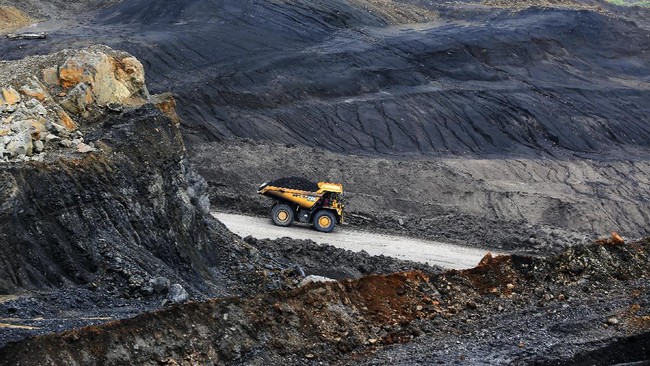
The mining industry in Bengkulu has been one of the key sectors contributing to the regional economy. With abundant coal reserves, mining activities have far-reaching effects, both socially and economically. However, despite the economic benefits, this industry also presents challenges that must be managed wisely to ensure community welfare.
Economic Impact
Coal mining in Bengkulu significantly contributes to the local government’s revenue. Each year, coal production exported to various countries boosts regional income and creates job opportunities for local communities. Additionally, the industry drives the growth of supporting sectors such as transportation, logistics, and trade.
However, economic reliance on mining also carries risks. Fluctuations in global coal prices can affect economic stability. When prices drop, regional revenues and mining workers’ livelihoods may suffer, leading to economic uncertainty for the community.
Social Impact
From a social perspective, mining brings significant changes to local communities. On one hand, the presence of mining operations creates employment opportunities and improves living standards for some residents. Government and mining companies often provide social assistance, including public infrastructure development and community support programs.
However, mining activities can also trigger social conflicts. Environmental degradation caused by resource extraction often leads to tensions between companies and local communities. Issues such as water pollution, coal dust, and damaged agricultural land are among the major concerns raised by residents living near mining areas.
Challenges and Solutions
To address the negative impacts of the mining industry, a more sustainable approach is required. The government and mining companies must adopt eco-friendly technologies to minimize pollution and ecosystem damage. Moreover, economic diversification is vital to prevent Bengkulu from becoming overly dependent on mining.
Stronger regulations and tighter supervision of mining activities are also necessary to ensure resource extraction is carried out with consideration for community welfare and environmental conservation. With the right policies, the mining industry can remain a pillar of Bengkulu’s economy without sacrificing social and environmental aspects.
Conclusion
The mining industry in Bengkulu has complex social and economic effects. While the sector provides significant economic benefits, social and environmental challenges remain key concerns. Through a more sustainable approach and effective policies, Bengkulu can maximize mining’s potential without compromising community welfare and environmental preservation.